DPF Delete Everything You Need to Know About DPF Removal Software
DPF Delete Everything You Need to Know About DPF Removal Software
A proper DPF delete in real-world practice always includes physical removal of the Diesel Particulate Filter (DPF), followed by software deactivation in the ECU. Although in theory you can try to handle it only through software, a complete DPF delete that works reliably in the long term must combine both hardware (physical) and software steps.
DPF removal is usually carried out to improve vehicle performance, avoid expensive DPF repairs, and support performance tuning (Stage 2, Stage 3). However, it also comes with downsides, such as voiding the warranty, increasing emissions, and potentially violating environmental regulations. In the following sections we’ll look at all of these aspects, as well as the tools and software required to perform a DPF delete.
What Is DPF and Why Do People Delete It?
A DPF delete is a two-part process:
-
-
Physical removal
The DPF canister is opened and the ceramic honeycomb core is broken out and removed.
Alternatively, the entire DPF assembly is removed and replaced with a DPF delete pipe (often referred to as a downpipe or decat/straight pipe depending on the setup). -
ECU modification (software removal / ECU remapping): The Engine Control Unit (ECU) is reprogrammed to disable all DPF-related logic, including:
- Automatic and forced regeneration cycles
- Smoke limitation strategies
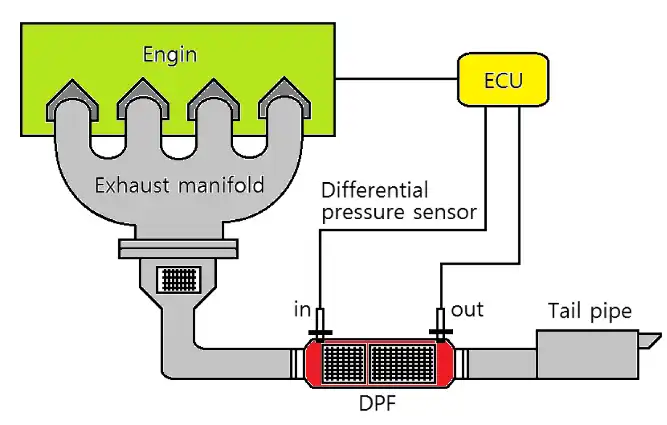
- Differential pressure and temperature sensor monitoring
-
DPF Filter Lifetime
Studies on Diesel Particulate Filters show they trap both soot and non-combustible ash coming from fuel residues and engine oil additives.
-
-
- Soot is gradually burned off during regeneration events.
- Ash, however, cannot be burned, so it continues to build up over time, increasing exhaust backpressure and reducing the overall efficiency of the filter.
-
After around 200,000 km, ash can represent up to 80% of the material stored in the filter, indicating that the DPF has reached the point where it needs professional cleaning or replacement. When a DPF reaches the end of its service life, replacement is very expensive. Because a new filter is often extremely costly, many owners choose to remove the DPF completely instead of replacing it.
Therefore, one of the main reasons for deleting the DPF is the combination of limited service life and high replacement cost. In this article, we will focus more heavily on the second step of the DPF delete process – the ECU software side – which is a mandatory step if you want a complete and properly functioning DPF removal.
What Is a DPF Delete
The Diesel Particulate Filter (DPF) is a system designed to capture soot and particulate matter produced during combustion in order to reduce emissions in diesel engines. As exhaust gases flow through the DPF, soot particles are trapped in the filter structure. The mechanical removal of the DPF is usually done by:
-
-
- Breaking out and removing the honeycomb-shaped ceramic core inside the DPF housing
- Removing the entire DPF module and replacing it with a downpipe/decat.
-
However, once the DPF has been physically removed, you must remap the ECU.
The ECU has to be reprogrammed to disable DPF monitoring and regeneration routines. This ensures the ECU does not detect that the DPF is missing and does not log DTCs, turn on the check engine light, or activate limp mode. This process is carried out by remapping the ECU, using professional read/write tools and map editing software, which we’ll discuss later.
Pros and Cons of a DPF Delete
A DPF delete is definitely an effective solution, but it’s important to understand both the advantages and disadvantages before you go ahead.
Pros of DPF Delete
-
- Improved Engine Performance
- Better Fuel Economy
- Lower Maintenance Costs
- Increased Longevity of Related Components
- Good Option for Older, Out-of-Warranty Vehicles
Cons of DPF Delete
-
- Legal Restrictions in Some Countries and Cities
- Increased Harmful Emissions
- Voided Warranty
- Risk of DTCs and Warning Lights
- Reduced Resale Value
Is DPF Delete Illegal?
While a DPF delete can make the exhaust slightly louder and sometimes give a small performance bump, it also causes the vehicle to emit a lot more soot. On top of that, in many cities and countries, deleting the DPF is explicitly illegal. In those regions, a DPF delete is effectively treated as removing a key part of the emissions-control system, and as mentioned, that can lead to heavy fines for the owner or driver.
Are There Legal Ways to Get Similar Benefits?
High-flow DPF systems from brands like Akrapovič, Milltek, Supersprint are sometimes offered as alternatives to older OEM DPF units.
Their goal is to: Improve exhaust flow, Maintain some level of filtration
From a technical point of view:
-
-
-
High-flow DPFs reduce backpressure, improving turbo response
-
But if soot filtration efficiency drops too much, they still violate emissions regulations, which is why they are also banned in many countries
-
-
On top of that:
-
-
-
High-flow DPF systems are very expensive, which is a significant drawback
-
In some regions, you also need specific approval or certification to legally install them.
-
-
How Is a DPF Delete Detected?
1. OBD Scan
Diagnostic tools can detect:
-
-
-
Non-standard or modified ECU software
-
Missing or abnormal DPF regeneration data
-
DPF-related fault codes that have been disabled to hide the deletion
-
-
2. Visual Inspection
Inspectors can look for:
-
-
-
Missing differential pressure or temperature sensors
-
Empty or welded-open DPF canisters
-
Non-OEM welds and modified exhaust components
-
-
3. Smoke / Opacity Test
Engines without a DPF emit excessive soot, so they often fail opacity tests immediately.
4. Tailpipe Probe
A probe inserted into the tailpipe can be used to verify whether the ceramic DPF substrate is still present inside the canister.
How to Delete DPF in the ECU?
Once the DPF has been physically removed, this is where you need a specialist tuner to correctly finish the process on the software side.
Step-by-Step DPF Software Removal Process
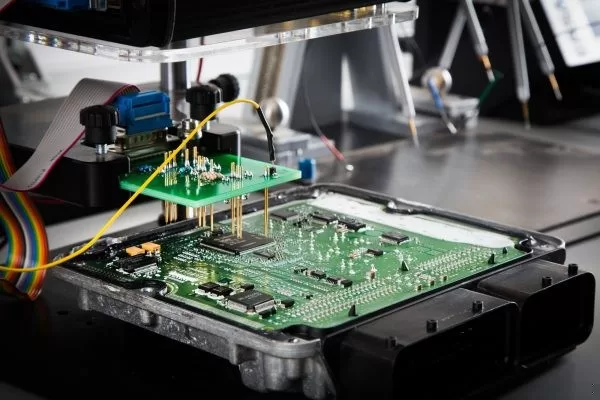
1. Read the Original ECU File
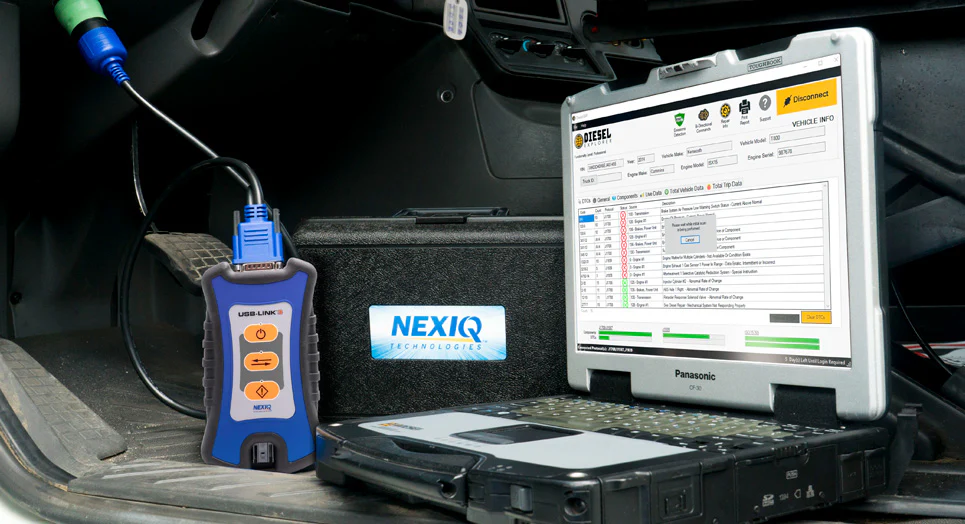
Using well-known programming / tuning tools such as: KESS3, AutoTuner, FLEX, etc. Connect to the vehicle: Via OBD port, or Directly to the ECU in bench or boot mode to read out the stock calibration file.
2. Identify and Modify DPF-Related Maps
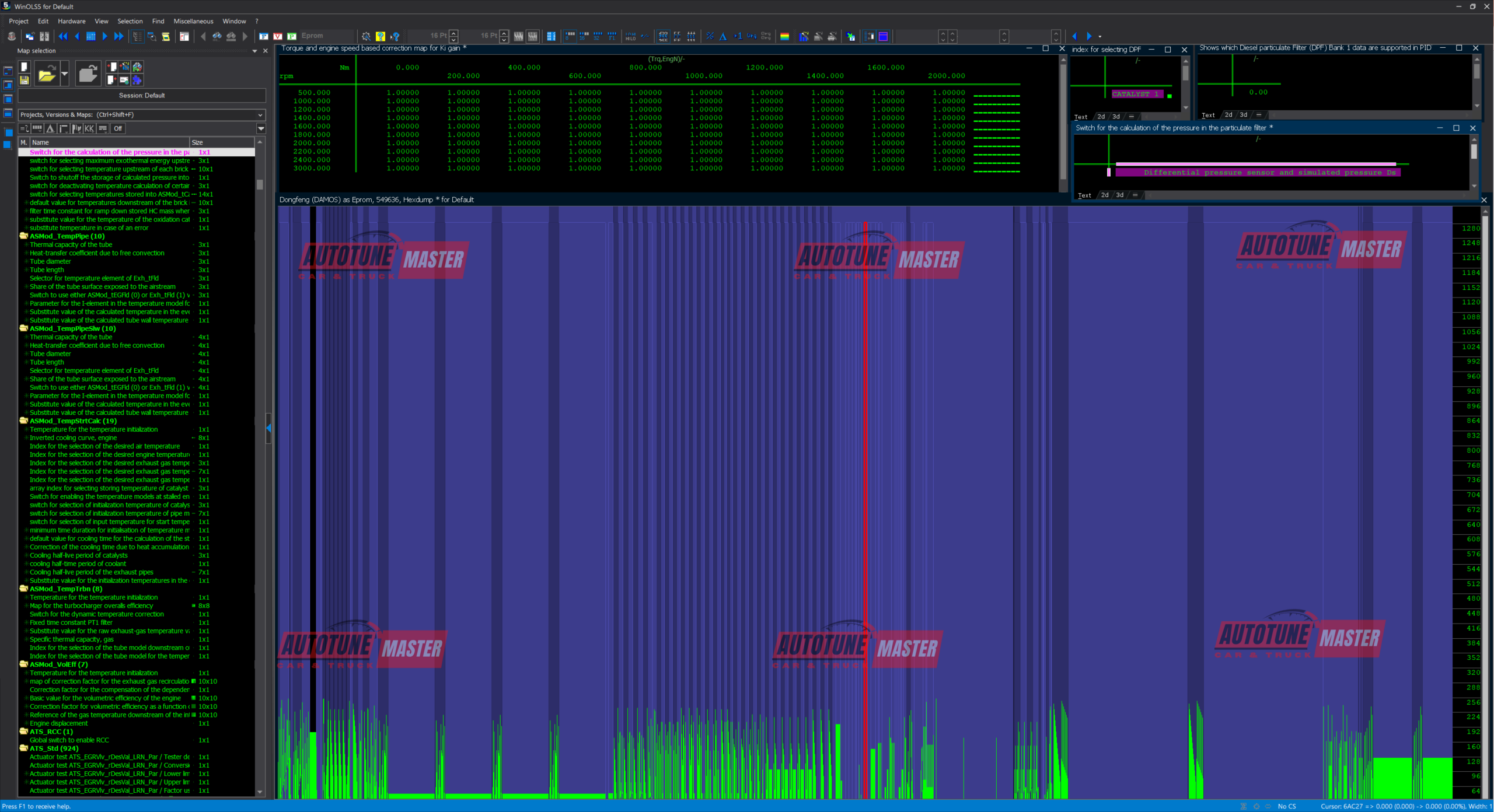
Open the file in a hex/map editor such as EVC WinOLS. The tuner must then locate and modify several areas:
-
-
- DPF switch / configuration maps: These are flags that tell the ECU whether a DPF is present. They must be set to “off”.
- Regeneration tables: All maps related to the DPF regeneration process must be adjusted to prevent the ECU from attempting to regenerate.
- Error code (DTC) table: All DPF-related DTCs (e.g. P2002, P2463) should be disabled or removed from the ECU’s fault handling.
-
3. Adjust Other Engine Parameters
The smoke limiter and lambda (AFR) tables may also need to be adjusted to:
-
- Allow richer fueling where required
- Avoid triggering limp mode or excessive diagnostic monitoring.
4. Write the Modified File Back to the ECU
After all modifications are complete, the tuned file is flashed back onto the ECU using the same programming tool.
Issues That Can Appear After a DPF Delete
One common problem after DPF removal is that the ECU still detects that the DPF is missing, which can result in:
-
-
-
Check engine light
-
Malfunctioning regeneration logic
-
In some cases, limp mode
-
-
After a DPF delete you may see error messages such as:
-
-
-
Diesel Particulate Filter Efficiency Below Threshold
-
“DPF System Malfunction”
-
-
With codes like: P2002, P2003, P2452, P2463, P2464, P2465, P1457, P1491, and more.
The proper solution is to remap the ECU and correctly modify all relevant maps so that these issues are eliminated at the calibration level.
Common DPF Errors and Fault Codes
Below are 10 common DPF-related fault codes and their causes:
-
-
-
P2002 – Diesel Particulate Filter Performance Problem – Blockage
Cause: DPF clogged with soot and ash due to insufficient regeneration. -
P2452 – DPF Regeneration Pressure – Signal Too Low
Cause: Faulty pressure sensor, exhaust leaks, or incomplete regeneration cycles. -
P2453 – DPF Regeneration Pressure – Signal Too High
Cause: Faulty pressure sensor or a heavily clogged DPF causing high pressure. -
P2402 – DPF Pressure Sensor Circuit Performance
Cause: Sensor failure, wiring issues, or sensor circuit malfunction. -
P2471 – DPF Temperature Sensor Circuit Performance
Cause: Faulty temperature sensor, wiring problems, or sensor contamination. -
P2463 – DPF Temperature Sensor – High Voltage
Cause: Short circuit or failed temperature sensor. -
P2403 – DPF Pressure Sensor Circuit Low Voltage
Cause: Low voltage from the sensor due to wiring or circuit faults. -
P2413 – DPF Regeneration Control – Faulty Regeneration
Cause: Incomplete regeneration due to sensor faults or exhaust leaks. -
P2456 – DPF Regeneration Pressure Sensor – Range/Performance
Cause: Faulty regeneration pressure sensor or incorrect regeneration process. -
P2401 – DPF Leak Detection – System Fault
Cause: Exhaust leaks or malfunction in the leak detection system.
-
-
What Is the Best Software for DPF Delete?
Without question, the most powerful software for DPF delete work is WinOLS, because unlike many competing tools it gives you full access to all bits and bytes inside the ECU calibration.
To delete DPF properly using WinOLS, you need:
-
-
-
A deep understanding of how WinOLS works
-
Solid hands-on experience with ECU map structures
-
-
Once you have that, you can:
-
-
-
Identify all DPF-related maps and logic
-
Apply the necessary changes to each of them cleanly and reliably.
-
-
Tools and Software Used for DPF Delete
To perform any kind of ECU software modification you need:
-
-
-
ECU read/write hardware tools
-
Map editing software
-
-
Popular programming tools include: KESS3, AutoTuner, Dimsport New Trasdata, FLEX, and others
The basic workflow is:
-
-
-
Read the file from the ECU with a suitable tool
-
Edit the file (DPF off, EGR off, AdBlue off, performance tuning, etc.)
-
Write (flash) the modified file back to the ECU.
-
-
DPF Off Training and File Services
Many people are looking for training courses on:
-
-
-
DPF Removal (DPF OFF)
-
AdBlue Removal (SCR OFF)
-
EGR Removal (EGR OFF)
- DTC Removal DTC OFF)
-
-
But in reality, the method is different for every ECU and calibration.
-
-
-
Each ECU uses different algorithms, map structures, and memory layouts
-
For example, fuel maps are often quite similar across ECUs in terms of algorithm and 2D/3D representation
-
But for DPF, EGR, and AdBlue, there is almost no consistency between different ECUs
-
-
That’s why having the original Damos or A2L files for the specific ECU is extremely important if you want to:
-
-
-
Access the correct maps
-
Work quickly and accurately.
-
-
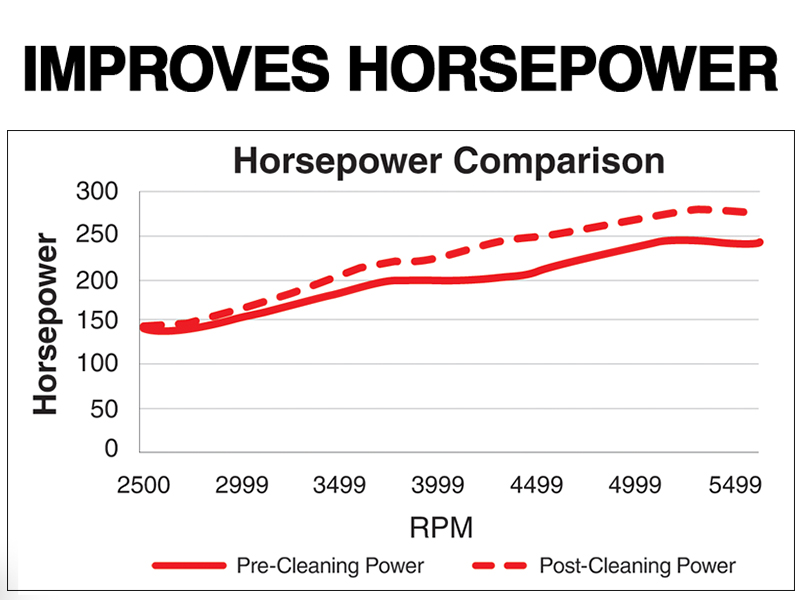
Does DPF Delete Increase Horsepower?
Yes, deleting the DPF can increase performance by: Improving exhaust flow, Reducing backpressure, Allowing the engine to operate more efficiently
With less restriction, the engine can produce power more easily, and drivers often notice stronger performance and better throttle response. In the tuning world, a DPF delete is considered one of the simplest and most effective ways to unlock extra performance – especially when combined with a proper remap.
DPF Off in Stage Tuning
Before talking about Stage 1, 2, and 3, it’s important to understand diesel AFR:
-
-
-
Modern diesel engines typically run very lean AFR compared to gasoline engines, in order to minimize soot production so the DPF doesn’t clog too quickly.
-
If you run a richer mixture, soot output increases and the DPF clogs faster, raising backpressure.
-
-
For example: In a lambda table, you might see AFR around 18:1 at full load – that is quite lean.
Stage 1 / Eco Remap
For a basic Stage 1 or eco remap, there is usually no need to remove the DPF, because:
-
-
-
Smoke limiters are not pushed very hard
-
AFR is not made excessively rich
-
-
As a result: Soot production doesn’t increase dramatically, The DPF is not overloaded.
Stage 2 & Stage 3
To achieve significantly higher torque and horsepower, you need to: Enrich lambda (lower AFR, e.g. 15:1), Increase boost pressure, Increase fuel delivery
At this level: The DPF becomes a restriction (bottleneck) because of: Increased soot, Higher EGT, Higher backpressure
That’s why Stage 2 and Stage 3 builds are often paired with DPF off, so that:
-
-
- The engine can breathe freely
-
The calibration can focus on: Fuel injection, Turbo boost, Optimal AFR for maximum power and torque
-
The downside:
-
-
- Soot and smoke emissions increase significantly
-
This is bad for both health and the environment.
-
If: You do not delete the DPF, but you run rich AFR, EGT will climb, backpressure will rise sharply, and the risk of engine damage increases.
Does a DPF Delete Change Exhaust Sound?
After a DPF delete:
-
-
-
The exhaust note is usually slightly louder, but not excessively so
-
In most cases there is no annoying resonance
-
-
With only a DPF delete:
-
-
-
The sound remains close to stock, just a bit deeper and more pronounced
-
-
If you delete both DPF and catalytic converter (CAT):
-
-
-
The sound becomes similar to a full downpipe-back exhaust system
-
Slightly quieter than a fully straight system, but still with a strong tone under acceleration.
-
-
Conclusion
Disabling or removing a Diesel Particulate Filter (DPF) through ECU remapping is a complex topic that sits at the intersection of: Performance, Cost savings, Environmental and legal responsibilities
While DPF off solutions can deliver: Better fuel economy, Increased power, Lower maintenance costs.
They also introduce: Serious environmental concerns, Potential legal issues, Warranty risks and possible technical failures if the work is done incorrectly.
For enthusiasts chasing performance and stage tuning, ECU remapping allows: Precise control over engine output, Freedom from some of the limitations imposed by the DPF
However, the process requires strong technical skills, proper tools, and the right software to ensure:
-
-
-
Reliability
-
Compliance with local laws where applicable
-
-
For that reason, working with an experienced, reputable tuner or workshop is crucial to:
-
-
-
Achieve the desired results
-
Minimize risk as much as possible
-
-
Ultimately, DPF off should always be approached with careful consideration of the legal and ethical implications, as well as the long-term impact on the engine, drivetrain, and the environment.
Contact Us
Do you need : DPF Removal (DPF OFF), AdBlue Removal (SCR OFF), EGR Removal (EGR OFF), DTC Removal DTC OFF)
📧 Email: autoservicerun@gmail.com
📱 WhatsApp: +1(418) 478 2325
🌐 Website: Autotunemaster.info